

On paper, subcontracting haulage is the obvious decision. You avoid the capital, you avoid the maintenance and you turn a fixed cost into a variable one. Plenty of good fuel businesses run that way. We do not, and it is worth being clear about why.
Fuel supply fails at handover points. Every time product changes hands — depot to transporter, transporter to site — there is a gap where nobody is fully accountable. When a load is late, the questions go around a circle and the customer is still without fuel at the end of it.
The handover is where it goes wrong
Owning the trucks collapses those gaps. One company loads, seals, drives and delivers, and when something goes wrong there is exactly one person to call. That is worth more to a customer running a shift than a slightly lower cost per litre would be.
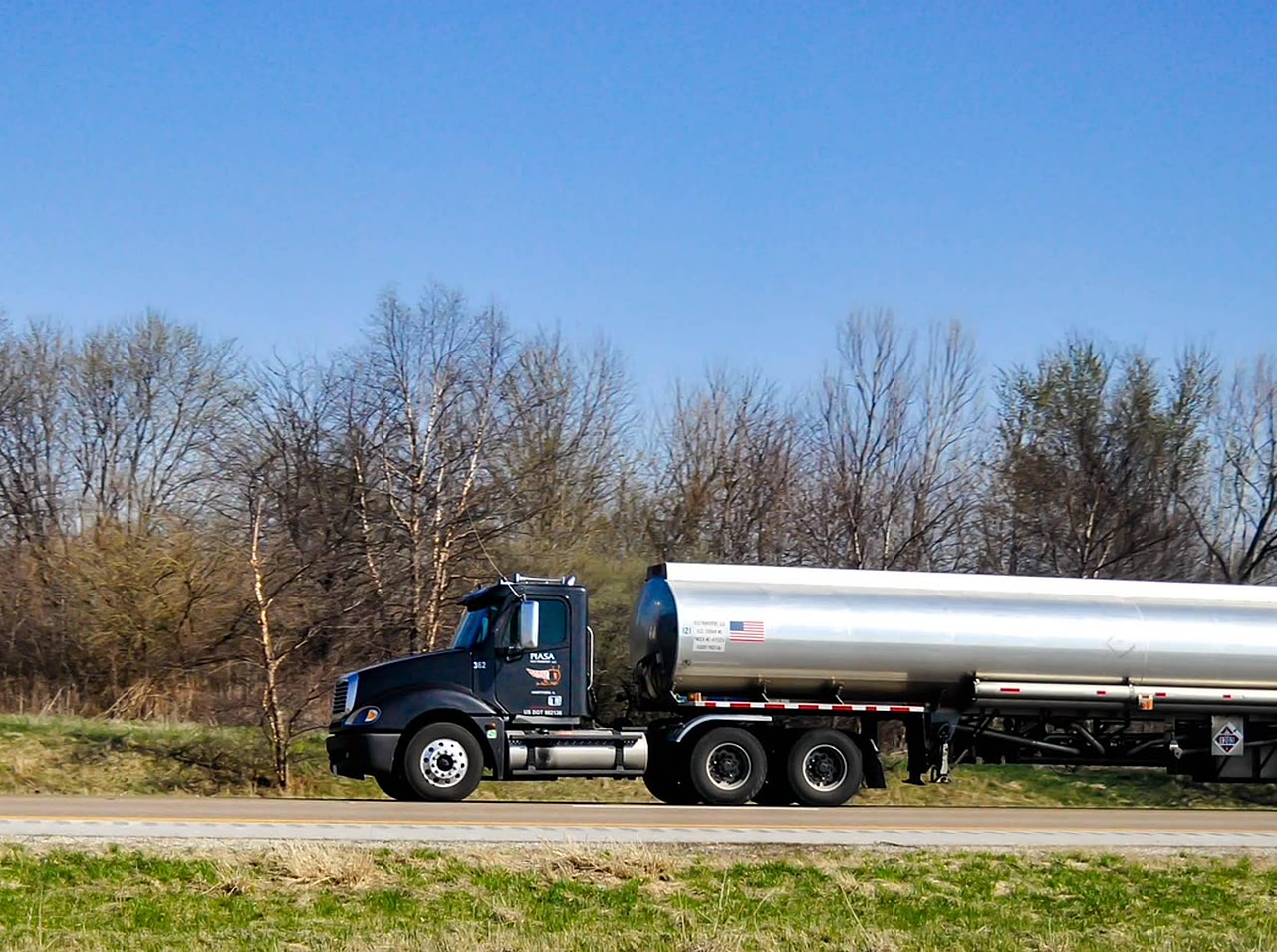

It also lets us control the things that quietly matter. Trucks run to a service interval rather than to breakdown. Drivers are trained for hazardous cargo and stay with us long enough to know the routes and the sites. Seals go on at the gantry and come off in front of your staff, so the volume question never becomes an argument.
If the truck is not ours, the delivery date is not ours to keep. It is somebody else’s to explain.Global Energies Africa
What ownership actually buys
The cost is real and we carry it. What our customers get for it is a delivery window we can actually promise, which turns out to be the part of fuel supply that everything else depends on.


Leave a comment