

Running a service station is an inventory business that happens to sell fuel. The stock is invisible, it sits underground, and the only way you know how much of it you own is by measuring carefully and writing it down. Sites that treat that as a daily discipline almost never have a nasty surprise.
You need three numbers at close of business. Opening dip, deliveries received, and total pump throughput. Closing dip should equal opening plus deliveries minus sales. It never will exactly, and that is fine — what matters is that the gap is small and consistent.
Three numbers, every single day
A variance of a fraction of a percent is normal. Temperature moves the volume, meters have tolerances, and dipping is not laboratory work. The number to watch is not the variance itself but the trend. Three days of the same small loss is measurement noise. Three days of a growing loss is a leak, a miscalibrated pump or a staffing problem.
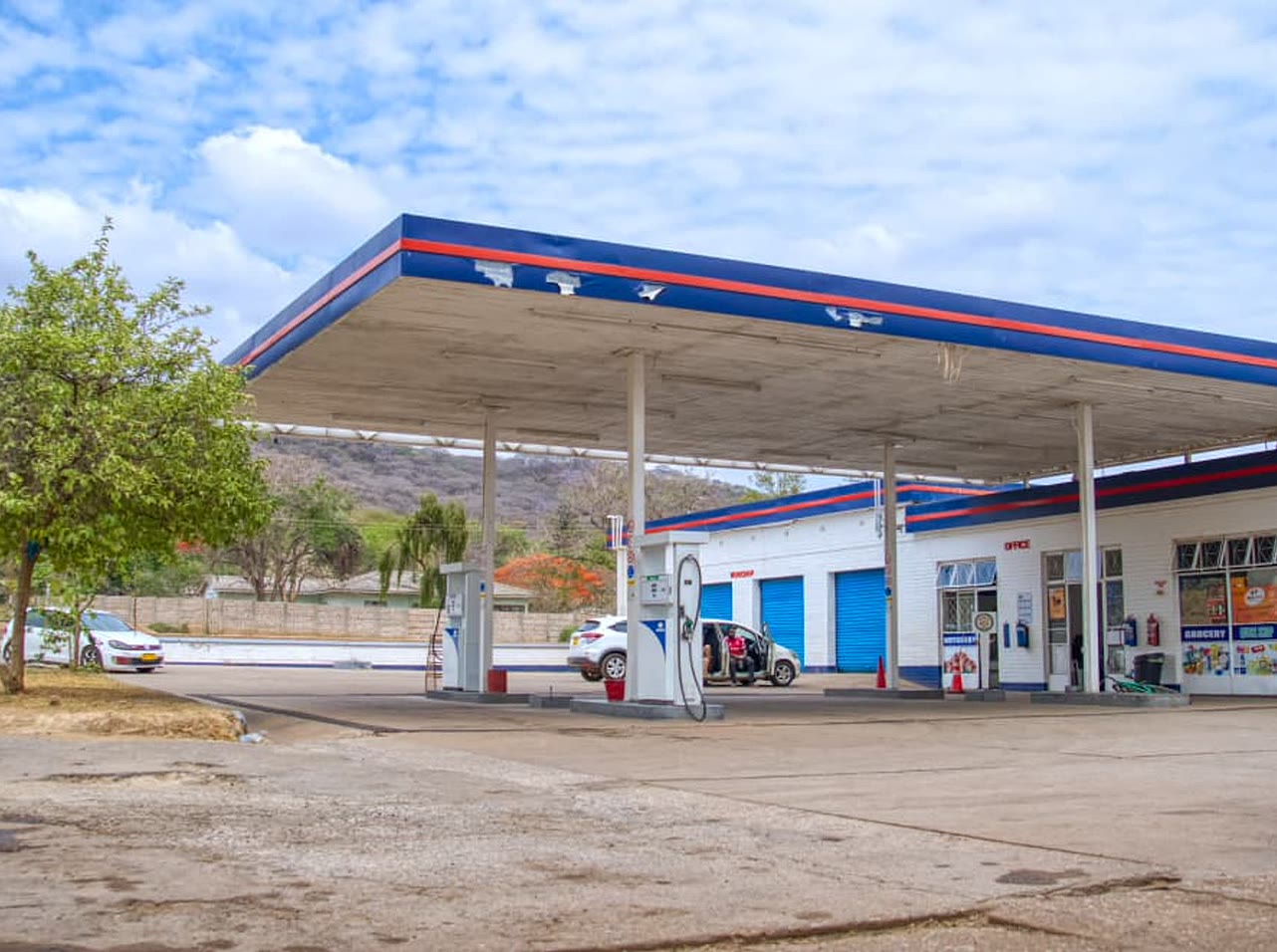
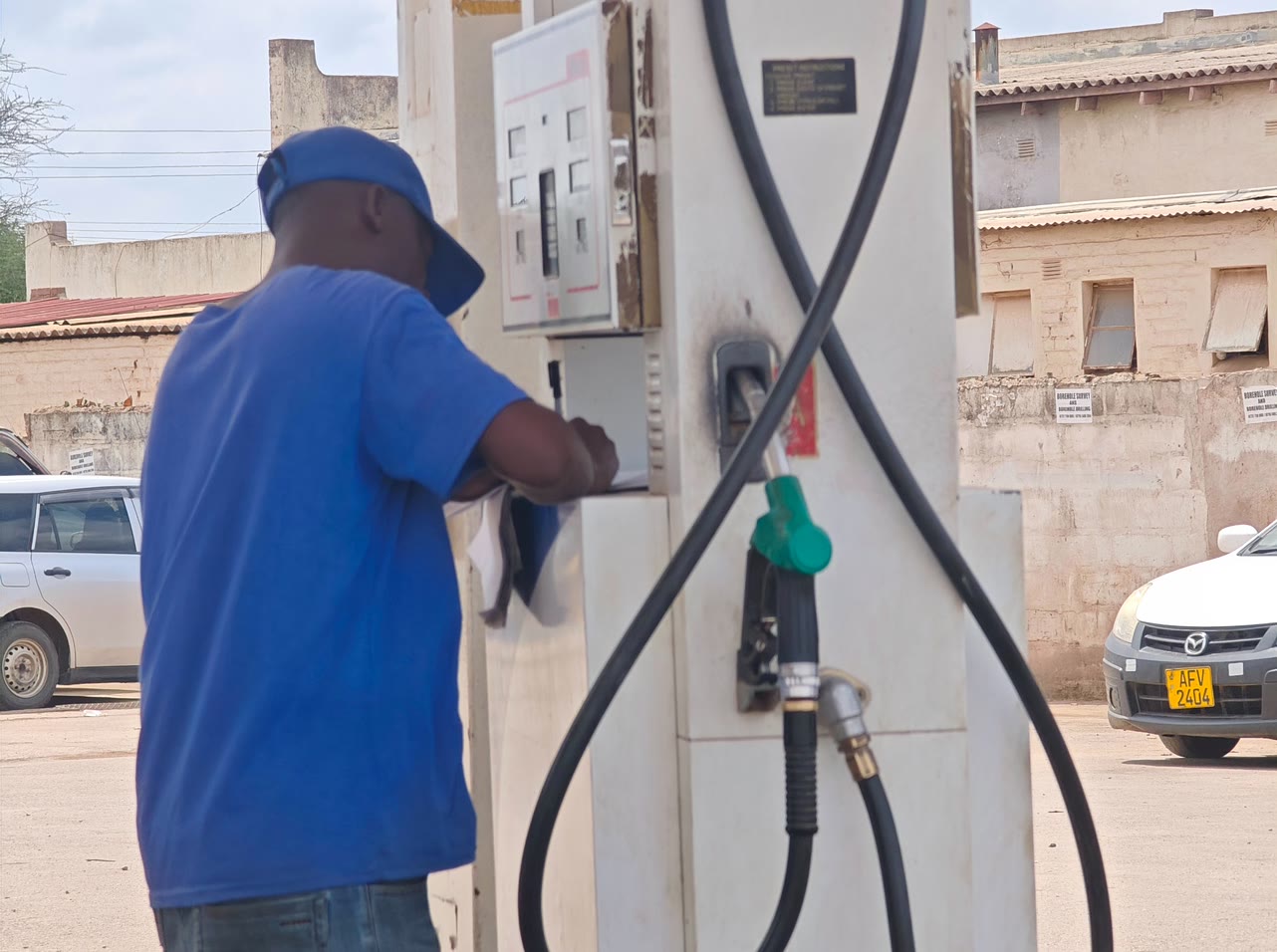
Look at the direction as well as the size. Consistently showing more fuel than you should have is not good news either — it usually means a pump under-delivering, which is a customer complaint and a regulatory issue waiting to happen.
Every forecourt has a variance. The healthy ones know what theirs is, and notice the day it changes.Global Energies Africa retail support
What the variance is telling you
We help the sites we supply set this up: a simple daily sheet, an agreed tolerance and a rule for when to escalate. It takes about ten minutes a day and it is the single most valuable habit on a forecourt.

Leave a comment