

Most sites that lose fuel are not being stolen from. They are losing it to water ingress, to evaporation through a vent that was never sized properly, and to a dip routine that nobody has done consistently since the tank went in. The first thing we ask a new bulk customer is not how much they use, it is how they measure it.
Water is the expensive one. Condensation forms on the inside wall of a half-empty tank every night, runs down and sits under the diesel. It carries bacteria, it corrodes the bottom of the tank, and eventually it goes through a filter and into an injector pump that costs more than a year of careful maintenance.
Where the losses actually come from
Keep tanks as full as your cash flow allows, because the less air in the tank, the less condensation you get. Dip for water weekly with paste on the stick, not by eye. Fit a filter you can actually service, and write down the reading every time somebody draws fuel.

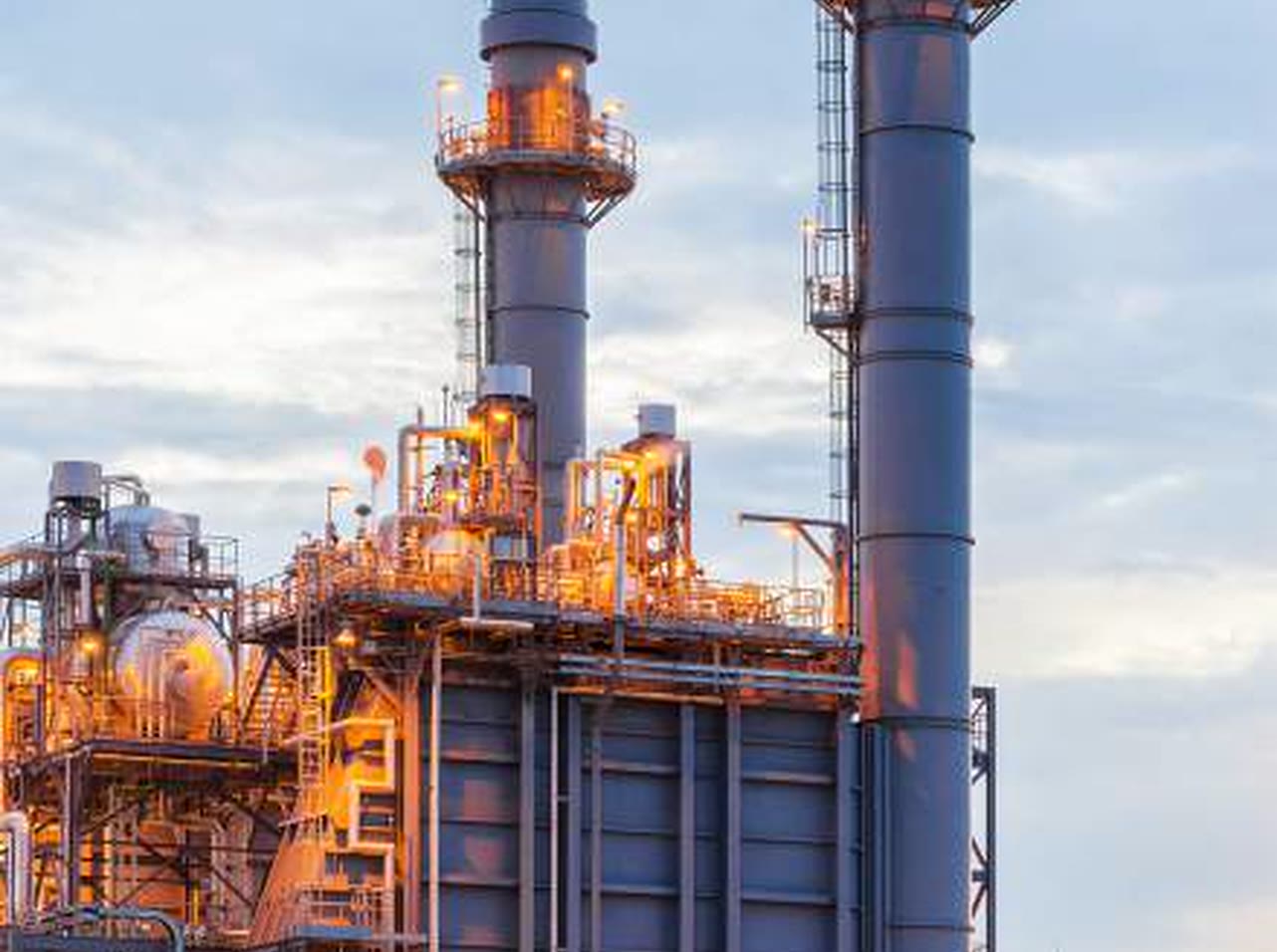
Siting matters as much as the hardware. A tank in full afternoon sun runs warmer, breathes harder through the vent and loses more to evaporation than the same tank under a simple shade structure. Bunding is not optional either — a spill you cannot contain becomes an environmental problem and a fine, on top of the fuel you have already lost.
If you cannot dip a tank and reconcile it against a delivery note, you do not have stock control. You have a guess.Global Energies Africa operations team
What a good installation looks like
None of this is expensive. A shade, a bund, a decent filter and a dip book cost less than the fuel a badly run tank loses in a season. If you want a hand setting yours up, we will walk the site with you before you order.
Leave a comment